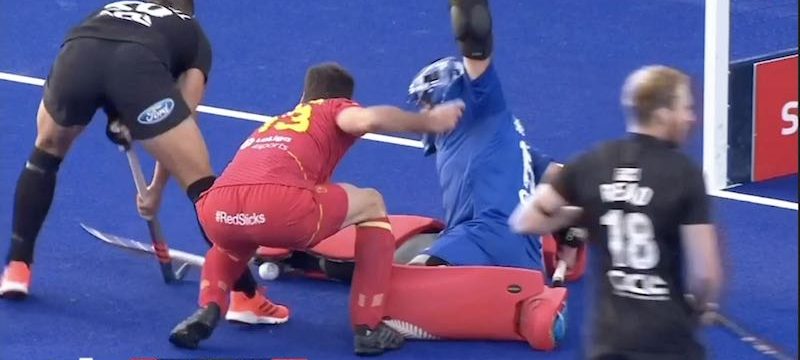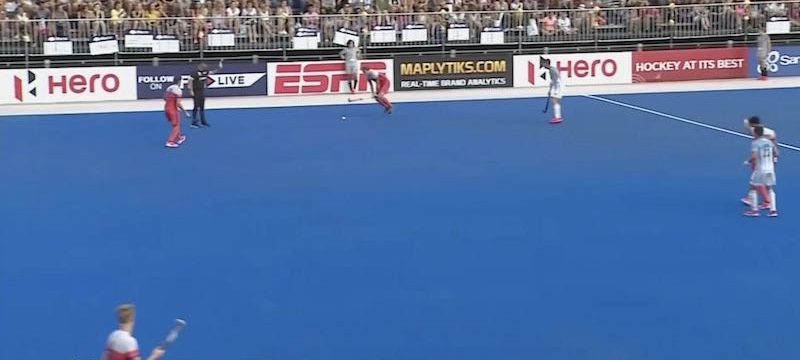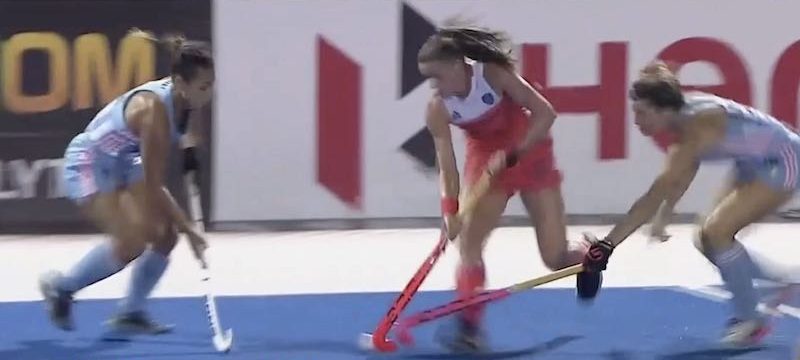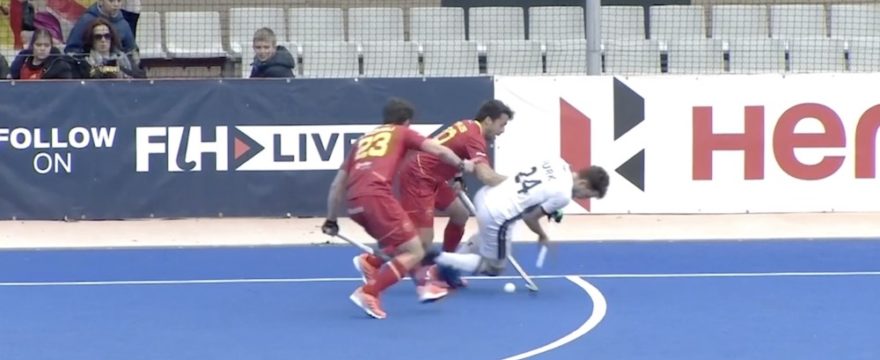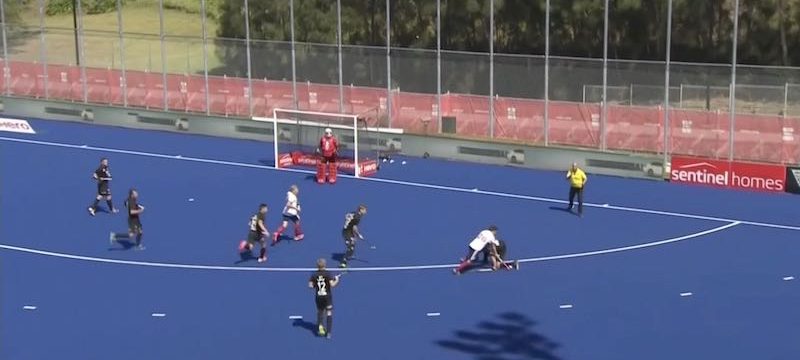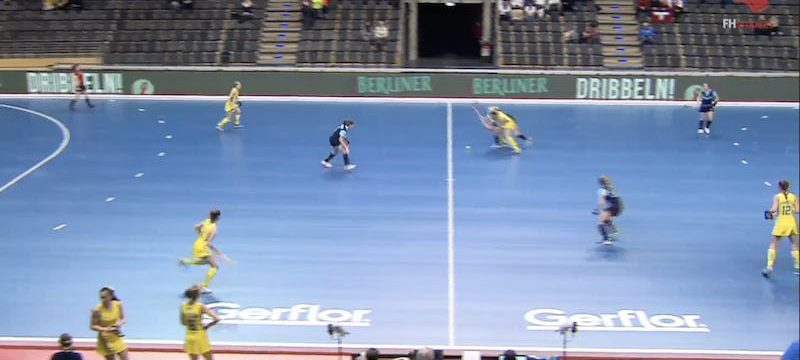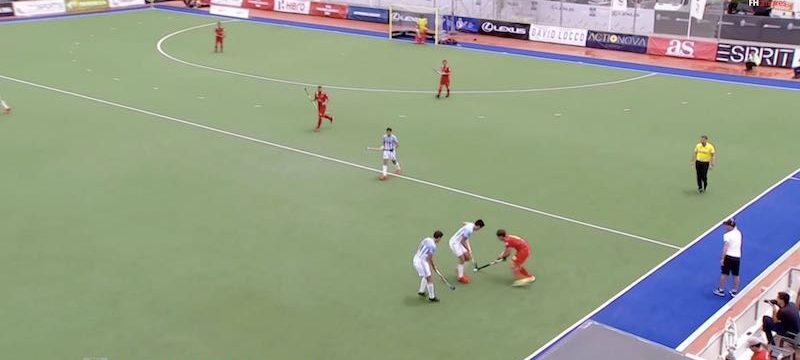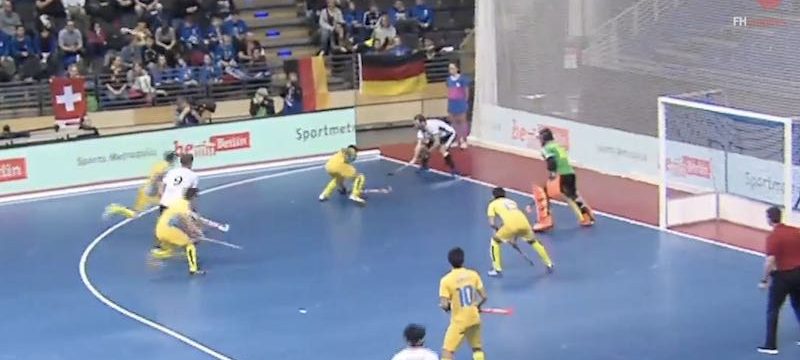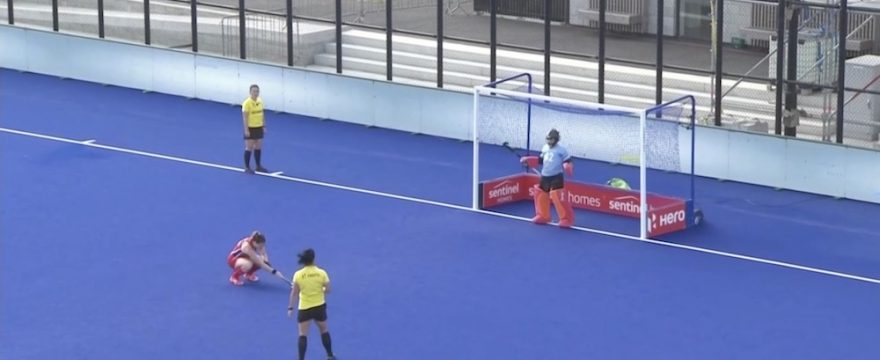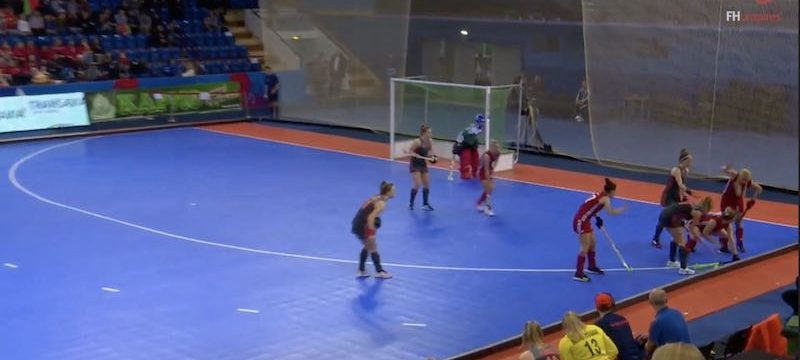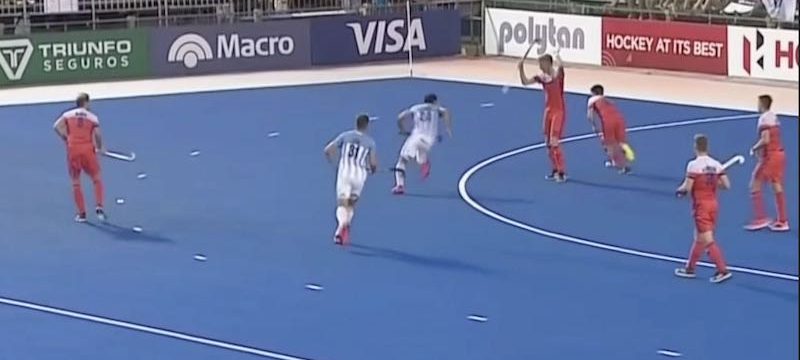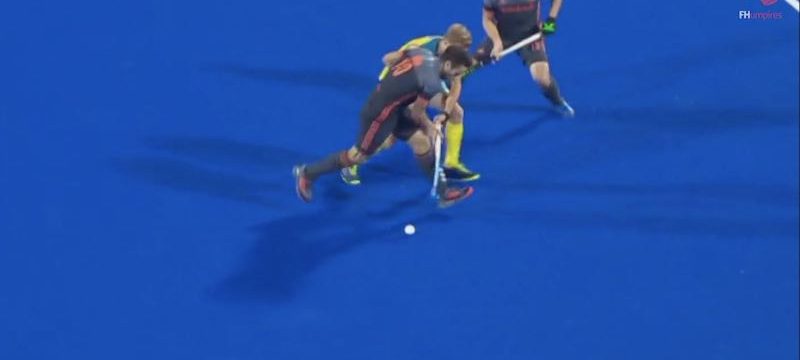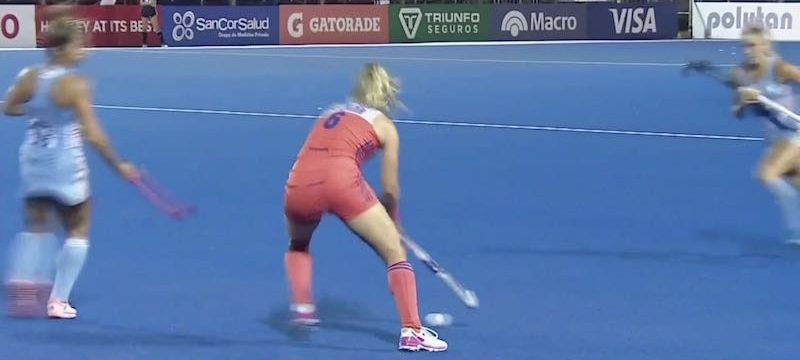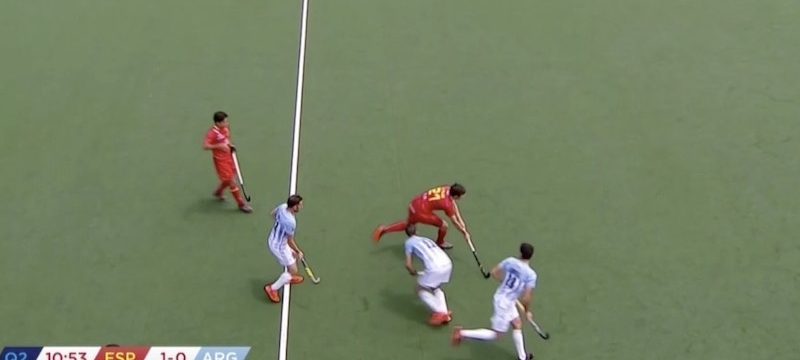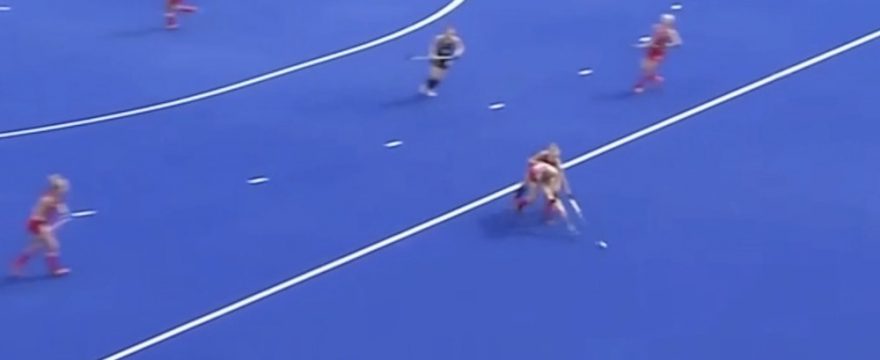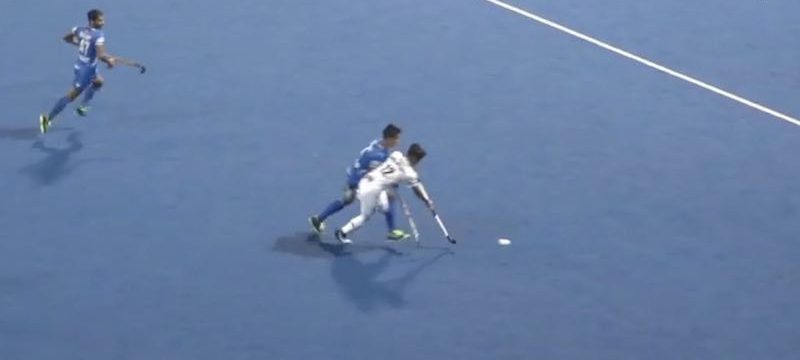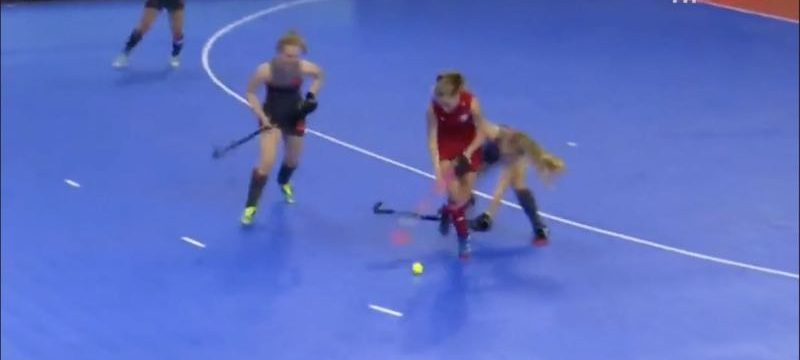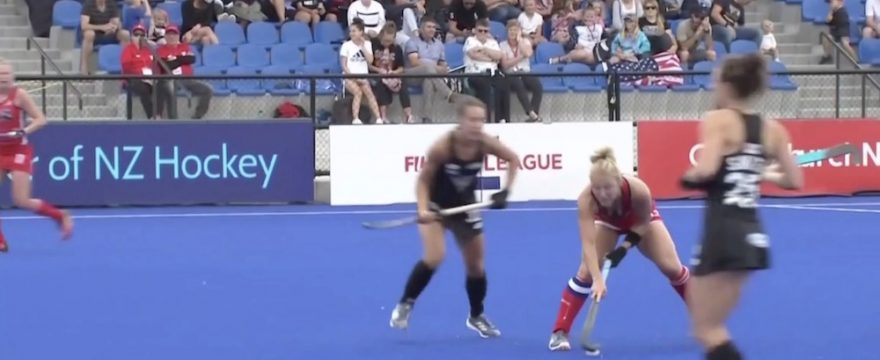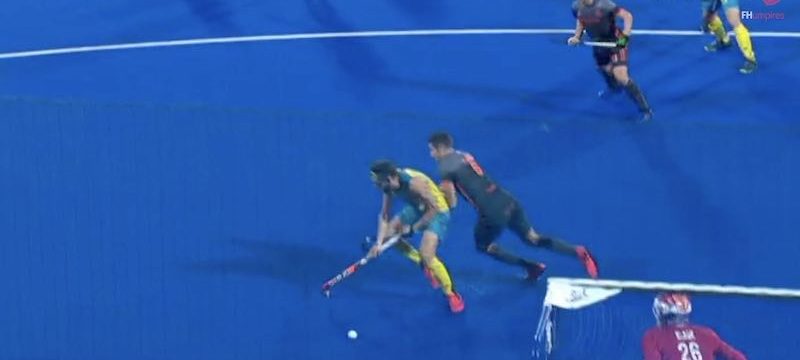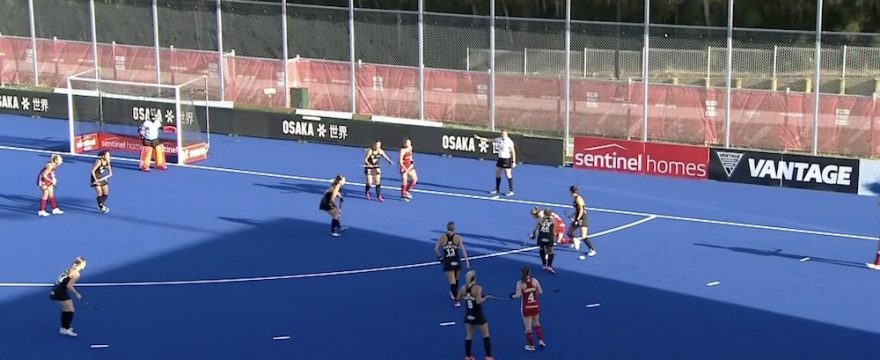
A penalty corner upgrade is awarded when a defender hits the ball away from the spot of the foul given on the edge of the circle. To access this content, you must purchase FHU3T Green, …
Continue Reading about NZLvGBR PC upgrade hitting ball away →
For field hockey umpires, by field hockey umpires
A penalty corner upgrade is awarded when a defender hits the ball away from the spot of the foul given on the edge of the circle. To access this content, you must purchase FHU3T Green, …
Continue Reading about NZLvGBR PC upgrade hitting ball away →
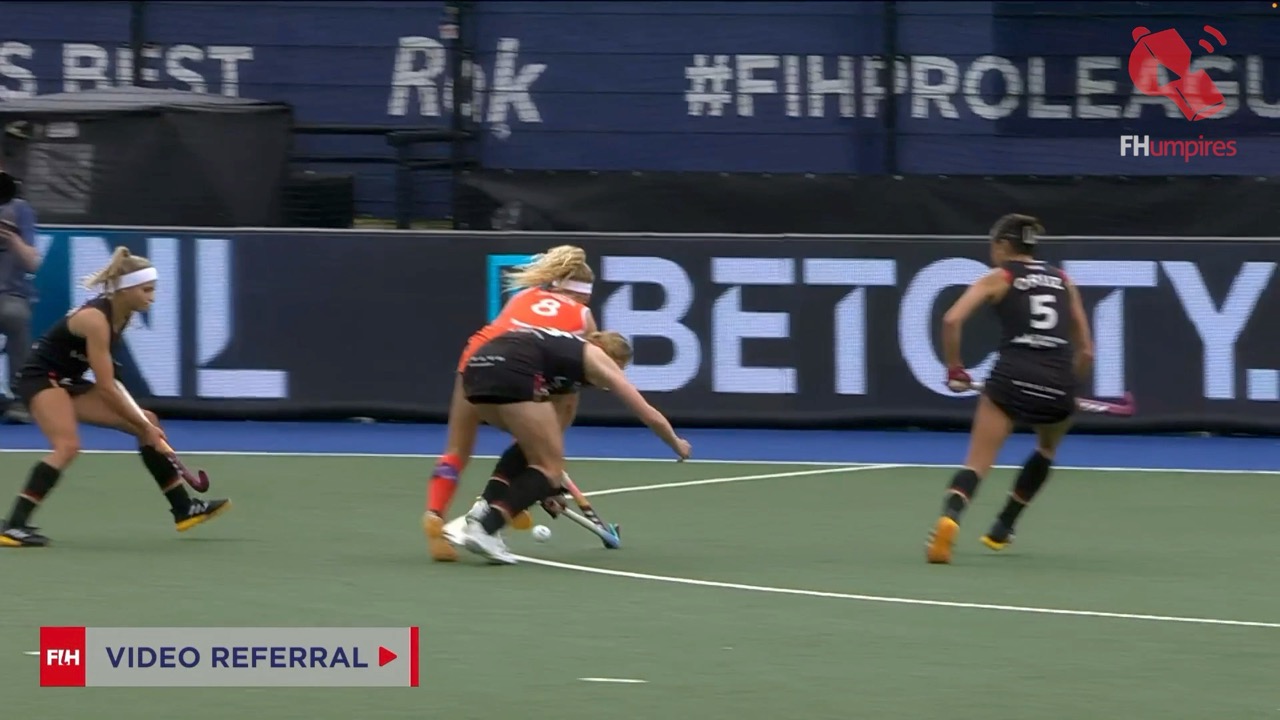
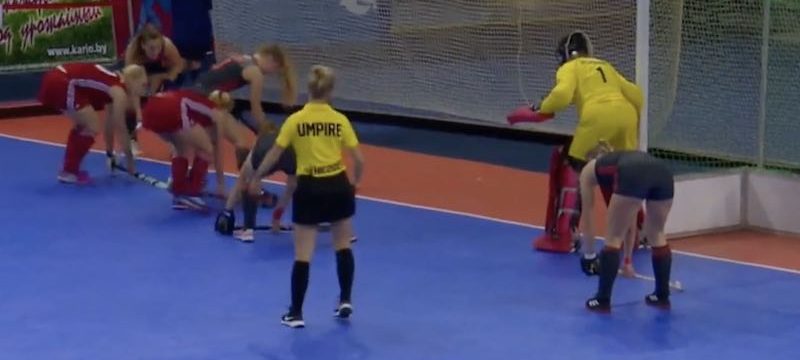
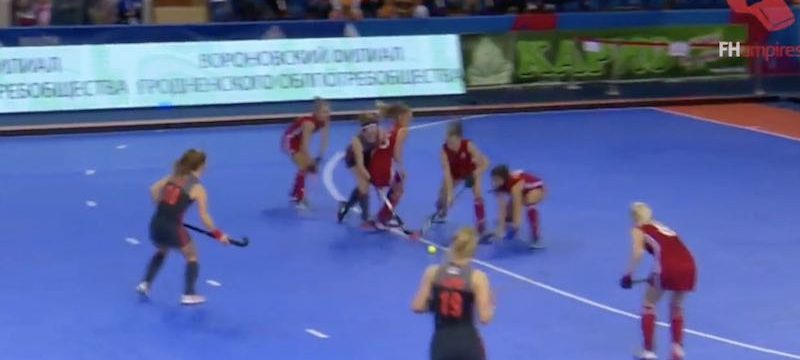
Description to follow …
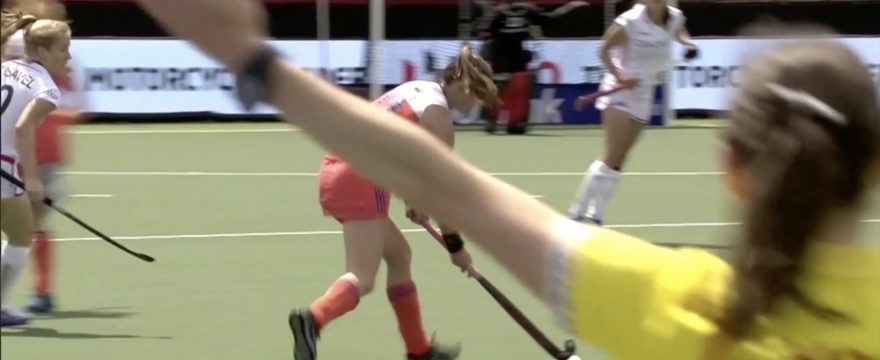
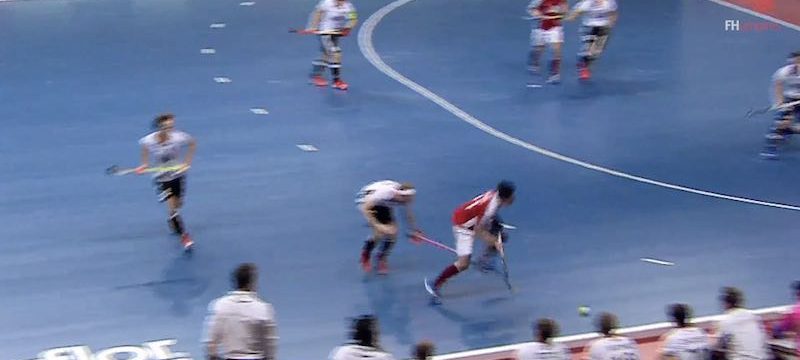
Continue Reading about NEDvGER VR PC stick shield obstruction →
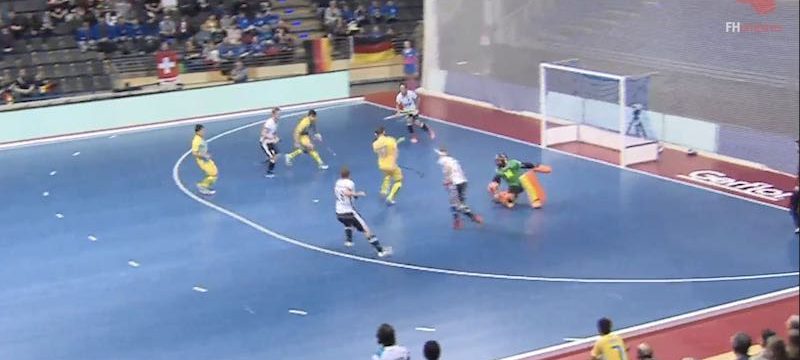
As an outnumbered counterattack flows into the circle, the deflected crossing attempt is deflected high off the goalkeeper’s stick. It then strikes his defending teammate in the chest and slowly …
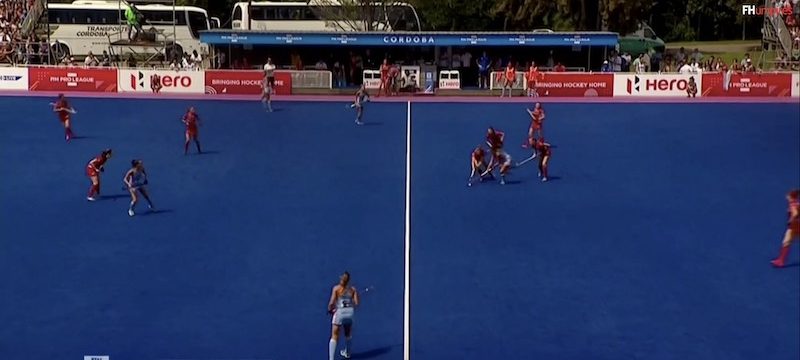
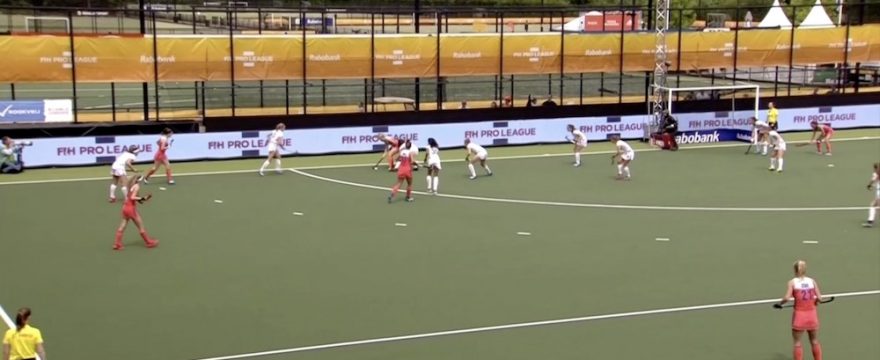
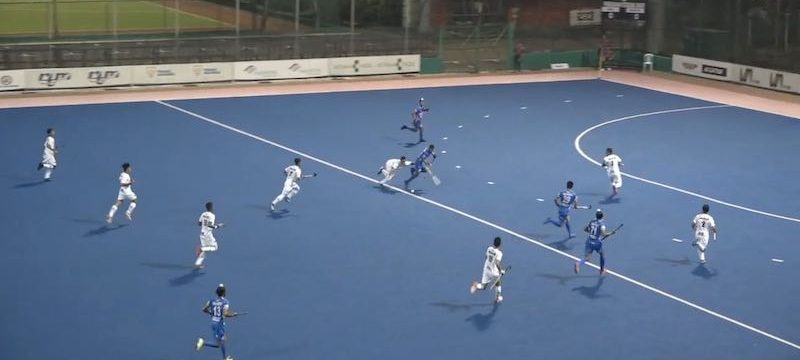
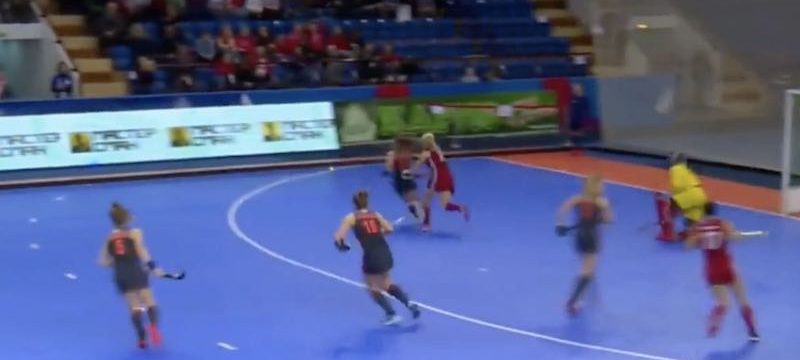
Whistle timing is a critical tool in an umpire’s arsenal to create more flowing, attacking hockey. Here the stick obstruction occurs when the ball carrier has three defenders converging on her. While …
Continue Reading about ARGvBEL Quick Whistle To Eliminate Defenders →
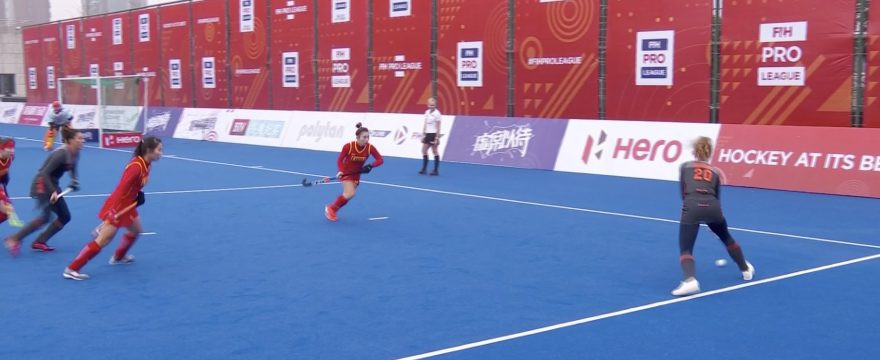
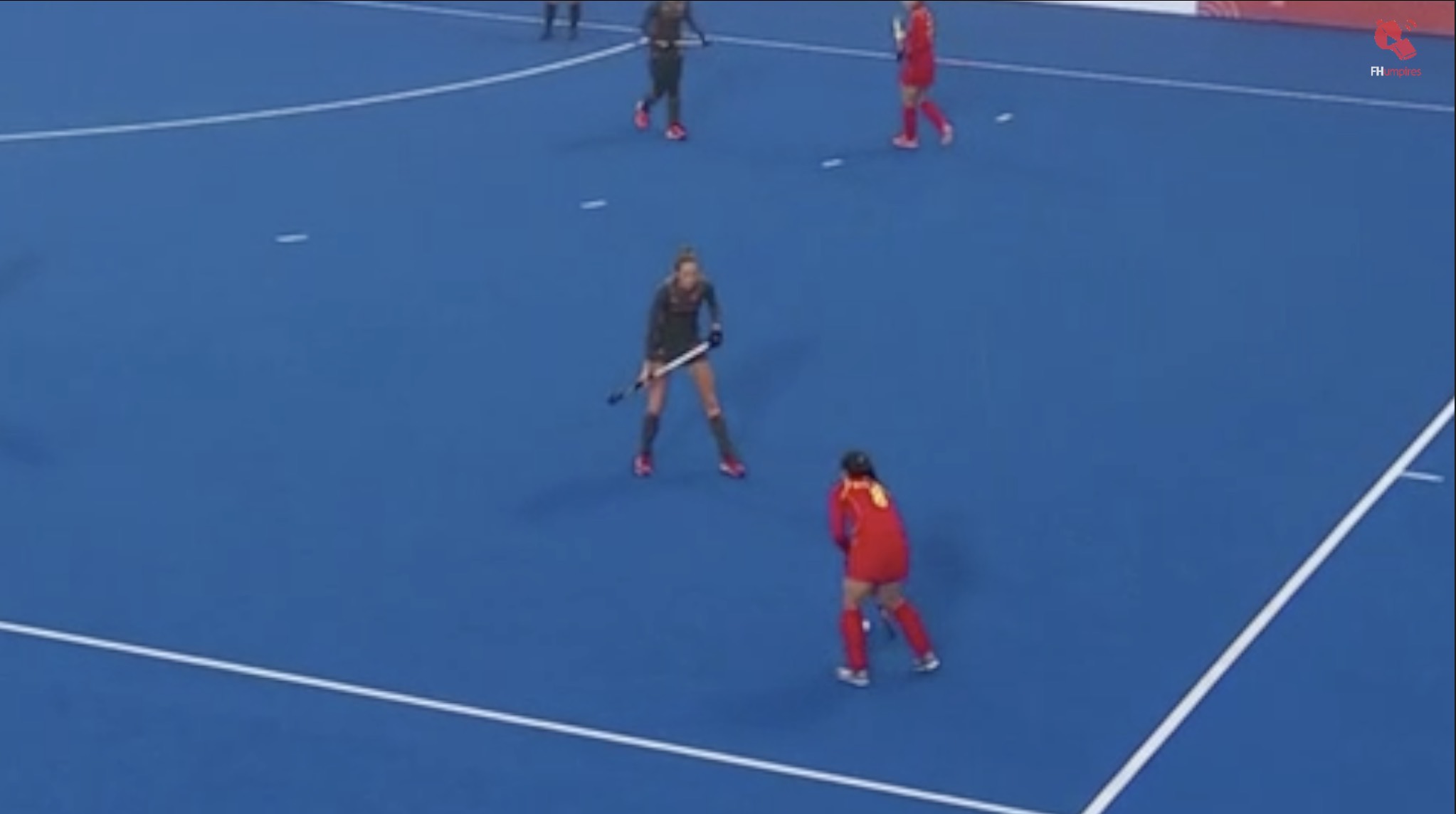
An attacker is awarded a side line ball. Taking it on the roll, she doesn’t quite move it 5m before sending the cross into the circle, and the free hit is given. To access this content, …
Continue Reading about CHNvNED Side line ball not moved 5m →
Consider the timing of when you give cards. Although the foul itself was reckless it had no effect on the development of the play and the attacking team was in full possession with options available …
Excellent communication from the supporting umpire over the radio throughout this sequence leads to an accurate and accepted penalty corner decision. It’s just as important for the support to say …
Continue Reading about NEDvBEL Radio help from supporting umpire →
The ball is stopped by the goalkeeper splayed on the ground and rests against his kicker. The attacker makes no effort to bring the ball away and traps the ball there, other hand raised to demand the …
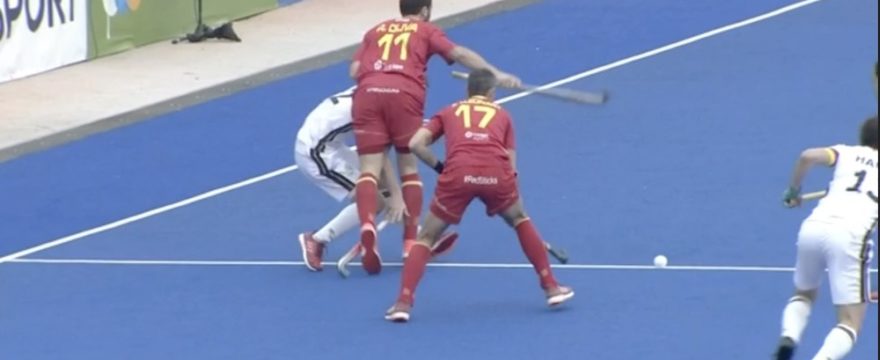
Seconds into this game, a ESP player attempts to dispossess the GER ball carrier and rather recklessly makes body contact (as per the wording of the rule), bowling his opponent over. The GER player is …
Continue Reading about ESPvGER Reckless physical tackle early →
The ball is cleared up the sideline dangerously, and the umpire brings the ball back to where it was dangerous to the opponent, not where the ball was launched from. This is inconsistent with rule 9.8 …
Green card given for a tackle occurring before a long advantage is played. Note the timing of the tackle, which is immediately after a turnover is earned with the opposing player in a good space. …
A green card is given for this breakdown stick tackle from behind. It’s very subtle but near the end of Q1 in which a few niggling tackles have already occurred, this isn’t a bad time for this level …
A video referral late in Q4 of a tied game shows on the first attempted tackle a potential push, although an argument can be made that the collision is 50/50. After a second push on the same attacker …
Continue Reading about ESPvGER VR late stages in the circle →
As the ball carrier comes into contact, the defender plants his feet, placing his stick and his back lower leg on the pitch. The long barrier he creates increases the area with which he’s able …
The offensive player is obstructed initially when the defender comes over the top of her stick in an attempted tackle. However, she uses her stick to move the defender’s stick away in a dangerous …
The first decision of note here is the quick self-pass taken inside the 23m with a defender caught within the 5m zone. That defender isn’t expected to disappear and can, in some circumstances, work …
Continue Reading about ESPvARG 5m not shadowing and 3rd party obstruction →
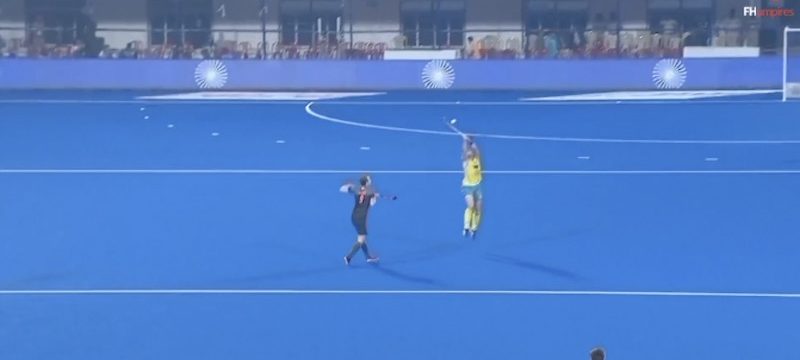
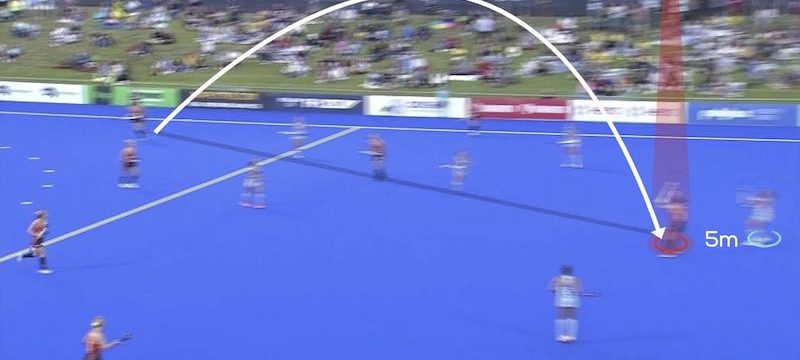
An aerial ball is outlet from the left sideline on the diagonal into the middle of the pitch. From the side angle, it appears that the AUS player infringes within 5m of the NED player standing …
Continue Reading about AUSvNED Aerial interception outside 23m for goal →
After a long sequence of possession where the attackers move the ball around the defensive 5 but are unable to penetrate inside, a forward attempts to force a hard pass through a set defender from …
This tackle comes in from behind and the stick hits the ball carrier on the leg. An advantage is played to the out of bounds play at the far end, and the umpire from the near side stops play and …
On this penalty stroke, the umpire is proactive about whether the taker is properly lining up her feet behind the ball. She also clearly indicates the stroke will proceed on the whistle, not giving …
Here’s an alternate view on the trapped ball and how long to wait until calling the bully when the trap has occurred unintentionally. One approach is to jump quickly on the obstruction as soon …
Early in Q1, the attack is full steam ahead down the dangerous middle of the pitch when this late tackle comes in around the attacker’s shins. What would you look for to upgrade this free hit to a …
Continue Reading about MASvIND First green card for breakdown tackle just inside the 23m line →
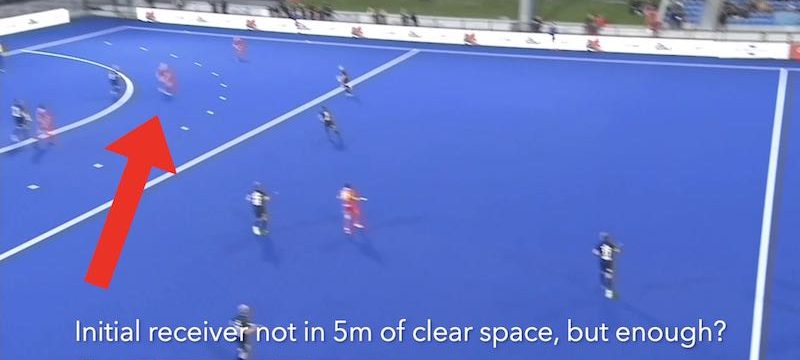
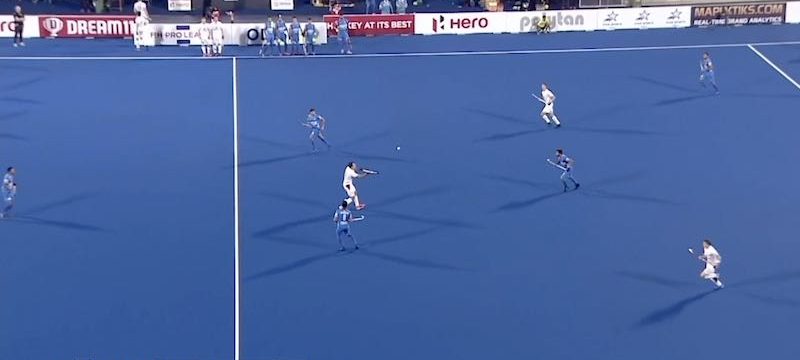
This aerial is called in favour of the attacking team as the initial receiver of the ball was in 5m of space before the ball began its trajectory towards the landing zone. The opposing defender subtly …
Continue Reading about AUSvARG Aerial to attacker 5m infringement →
With 3m left in Q4 and the attacking team up a goal, an attacker who has just turned over the ball on a stick obstruction foul pushes the ball away from the defender and prevents a quick outlet. …
Continue Reading about BLRvNED GC for playing ball after whistle →
This situation doesn’t result in a third party obstruction as the defender wasn’t within playing distance, preferring to take a more oblique angle to channel the ball carrier into his far corner. …
This is the second card of the game for this player, who badly misses on this tackle and ensures his body stops the potential progress of the attacker to resume his run with the ball. Normally …
The defender runs through the 5m zone as the attacker was taking the free hit. In making an estimate based on the less than 2s and only 2 steps from the taking of the self-pass and the point of …
After being awarded a free push, the attacker takes the self-pass and dribbles straight at 3 defenders at the top of their circle. She pushes the ball ahead as she makes contact with one of them, …
If a player sets up a free hit inside the 23m line that should be taken outside and is looking to pass backwards, should the umpire interrupt play to move the hit outside the 23m, even if that …
Continue Reading about CHNvNED Ball placement moving outside the 23m →
As the play is moving across the circle away from the controlling umpire, a chasing attacker clips the heels of the defender chasing down the ball. This may well have been blocked from the view of the …
The ball carrier deftly flips the ball off a defender’s foot and it careens off the sideline. No free hit is, as near as we can hear, called by the umpire, but when the attack puts the ball back in …
Continue Reading about ESPvGER Sideline vs free hit ball placement →
It’s also a heart-in-mouth moment when you get caught supporting near the centre line on the penalty corner and a rebound and quick break fly by you. This umpire does the right thing by running back …
Continue Reading about CHNvNED Recovery from support on PC →
There are several moving pieces in this aerial, and shows the difficulty in parsing out exactly 5m of clear space for an initial receiver. In tracking the reception area prior to the ball arriving, …
Continue Reading about NZLvESP Aerial not given for initial receiver →
Here are two sequential examples in the same passage of play that feature the umpires’ excellent understanding of flow. We’re now in Q3 and the players have been respecting 5m and ball placement thus …
The umpire does a great job here making a quick decision on a free hit inside the dotted 5m line, and immediately “double-tweeting” to get the players’ attention and verbally signal the correct ball …
Continue Reading about INDvBEL Proactive ball placement inside dotted line →
The first green card of the game is given when the ARG player plays the ball momentarily after the whistle. This may be too harsh for many levels of play, but given the obviousness of the foul and the …
Continue Reading about ARGvNED GC hitting ball away after whistle →
A stick obstruction is called and the fouling team attempts to take the free hit quickly. The umpire whistles the correction, and an attacker takes the self-pass quickly from the point of the initial …
A yellow card is shown after a long advantage was played. Note the communication between the two umpires as the trail confirms over the radio they should as a team come back for the card. The trail …
After a series of turnovers, the attacking team moves away at speed with the ball. A chasing defender clips the heels of the ball carrier, who is maintaining a straight line in his run (although there …
Continue Reading about MASvIND Yellow card for stepping into running line of attacker →
As the attacker attempts to avoid the tackle from a defender, the defender is able to get her stick on the ball as the attacker’s legs block and interfere with the defender’s stick. A free …
Continue Reading about BLRvNED Body obstruction interfering with stick →
Several issues of note in this passage of play: The umpire plays an advantage off the stick tackle along the side-boards. The attacker has good options available to him, including the immediate 2v1 …
Continue Reading about GERvAUT Advantage for attack then FHD rolling ball →
After a turnover, the intercepted (now) defender breaks play down with a failed tackle from behind. The umpire indicates she’s going to come back to the breakdown by continuing to signal the …
Continue Reading about NZLvUSA GC for double breakdown and advantage →
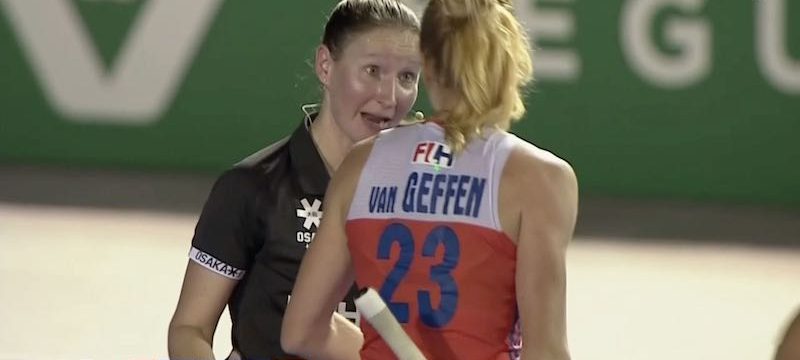
After a minor collision, two players have some “afters”. The umpire stops time, brings over the captain of the initiator and presumably asks for her assistance in controlling her players. Taking care …
Continue Reading about ARGvNED Verbal warning to captain to calm players →
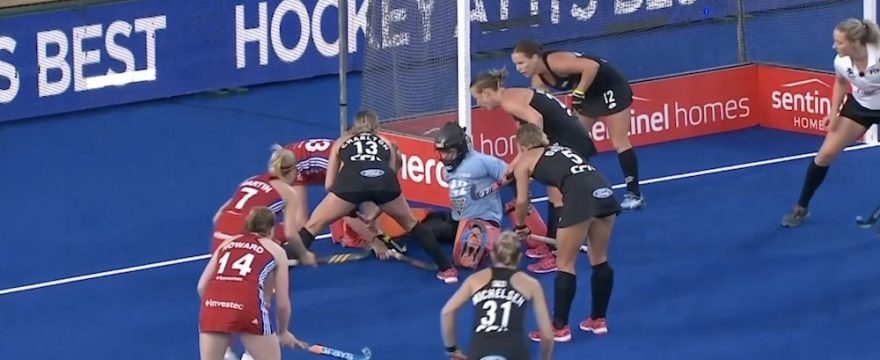
A scramble in front of the prone goalkeeper sees no foul awarded. Despite not moving the ball constructively for a long period of time, the attacker didn’t make the mistake of pushing the ball at the …
Continue Reading about NZLvGBR GK scramble and off end line →
At the end of matches, you’ll be called upon to make split-second decisions that could have an outsized impact on the perception of the weight of that call on the result of the game. It’s …
There are a couple of little nigglies shown by the players here. The controlling umpire double-tweets to get a pause in the play in order to talk to the players, keeping her voice calm. The supporting …
The attacker receives a ball in the bottom left corner and attempts to send a hard pass across the circle to a teammate. A defender is set at a close and near to 3m distance, and the ball is sent …
In attempting to clear the ball, the defender sends it at a sharp angle off the back-line. Giving his body position and the full purchase he had on the ball, it’s appropriate to deem this an …
Continue Reading about NZLvARG Intentionally off back-line →
This study in managing off-ball situations is fascinating. The Argentinian attacker slips on his own after he’s entered the circle. As he’s regaining his footing, the Australian defender …
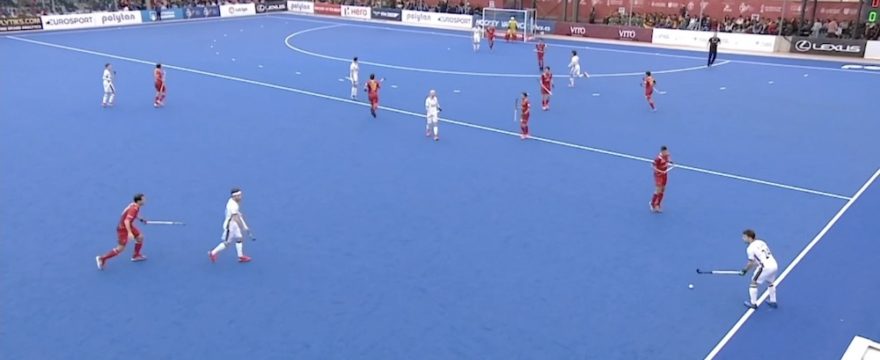
Although it’s ideal to be welcoming the play coming towards you from a relatively still position on the field, there will be times in fast, open games where the attack will move towards your end over …
Continue Reading about ARGvBEL Transitioning from forward running to backpedalling →